
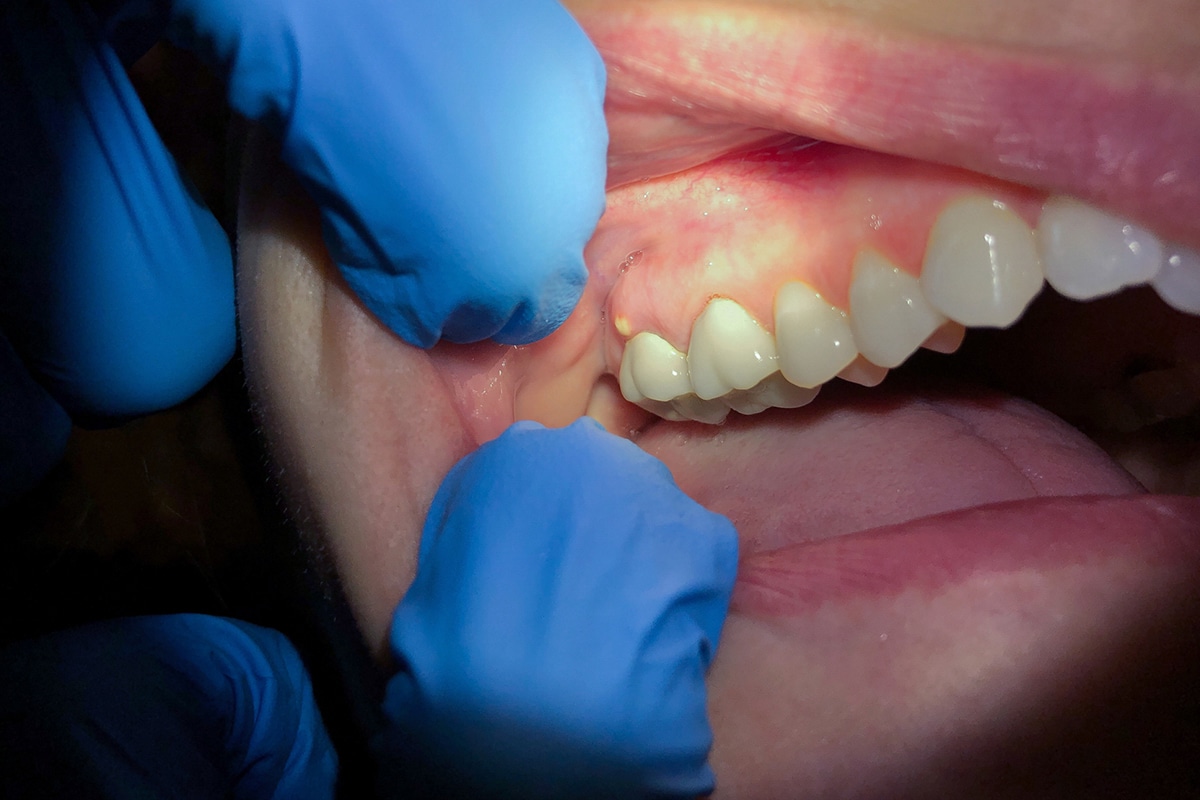
A Hidden Danger in Your Smile
Many of us know what a toothache feels like, but it’s hard to tell the difference between routine sensitivity and something more serious. Pain that starts as a dull throb may signal a developing infection deep inside your tooth or gums. Dental abscesses rank among the most dangerous threats to oral health because they never resolve on their own. Instead, bacteria cause pus to collect, pressure builds, and the infection spreads to nearby tissues.
We meet many patients who try to tough out the pain, hoping it will fade with time or over-the-counter medication. Unfortunately, waiting allows the infection to travel into the jawbone or reach other areas of the body. If you recognize the early warning signs, you will enable us to step in quickly, stop the process, and protect your overall health. Your smile deserves protection, and knowing the symptoms lets you safeguard it.
Recognizing the Key Symptoms
Spotting an abscess early helps you save your tooth and avoid serious complications. Symptoms usually start mildly and grow worse quickly. While pain is the clearest sign, your body sends several other clues that an infection has taken hold.
Persistent, Throbbing Toothache
Your body’s central alarm for dental trouble is pain. Abscess pain hardly ever lets up; you feel a continuous, throbbing ache that might extend to your jaw, neck, or ear. Chewing or biting down increases the agony. If throbbing pain keeps you awake, your infected nerve desperately needs treatment.
Sensitivity to Temperatures
Many people notice a sharp pain with hot or cold foods, but you should worry if the pain lingers after you finish eating or drinking. Prolonged or severe sensitivity suggests inflammation or dying tissue within the tooth, often indicating an abscess.
Swelling in the Face or Cheek
As pus collects, it pushes against surrounding tissues, causing visible swelling in your cheek, jaw, or under your jawline and neck. Sometimes, swelling becomes so significant that it distorts your facial features. If you struggle to swallow or breathe, treat it as an emergency and seek help immediately.
Fever and General Malaise
Your immune system reacts to dental infections with fever. If you experience tooth pain with an increased temperature, flushed skin, or just feel very “off,” you likely face a disease that’s spreading beyond your tooth.
Foul Taste or Smell
Sometimes, an abscess ruptures on its own, spilling foul-tasting, salty fluid into your mouth. Although the pressure and pain may briefly decrease, the active infection remains. Persistent bad breath that brushing and mouthwash don’t improve can indicate an abscess.
The Consequences of Delaying Treatment
Ignoring an abscessed tooth puts your whole body at risk. Many people hesitate because of dental anxiety or costs, but waiting makes complications—and expenses—much worse. You allow bacteria from the abscess to spread throughout your body.
Loss of the Tooth
We always aim to save your natural tooth. If the infection continues unchecked, however, it destroys the bone and tissue anchoring the tooth. Once you lose this support, extraction becomes the only practical option. Missing teeth affect your speech, eating, and confidence, leading to the need for more costly solutions later.
Spread of Infection to the Jaw and Neck
Bacteria move quickly. The infection can eat through your tooth’s root and into your jawbone, causing osteomyelitis—an excruciating bone infection. In severe cases, the infection spreads to your neck or beneath your tongue (Ludwig’s angina), which can block your airway and become life-threatening.
Systemic Health Risks
Your mouth offers a pathway to the rest of your body. Bacteria from an abscess can enter your bloodstream, potentially causing sepsis—a severe and often fatal condition. If you live with diabetes, heart issues, or immune problems, you face an even greater risk. Some people develop endocarditis, a dangerous infection inside the heart.
Treatment Options We Provide
Stopping the infection quickly always leads to better outcomes. When you come to our office, our team diagnoses the severity of your abscess using digital imaging and a thorough exam. We design each treatment plan to save your tooth and restore your health.
Root Canal Therapy
Root canal therapy offers the most effective way to treat an abscessed tooth and keep it intact. We remove all infected pulp, carefully clean each canal, and seal the tooth to prevent new bacteria from entering. With modern methods, root canals rarely hurt, and you’ll probably feel much better almost immediately.
Incision and Drainage
If swelling is causing significant pressure, we may make a small incision in your gum to drain the pus. Immediate drainage relieves pressure and promotes healing. We also prescribe antibiotics to fight the lingering bacteria.
Emergency Extraction
If your tooth cannot be saved, we refer you to your family dentist or a trusted local oral surgeon it to safely extract it. Our team explains replacement options right away, so you never have to face a gap in your smile alone.
If any of these symptoms sound familiar, don’t wait for your next check-up. You need emergency dentistry to stop the infection before it causes permanent harm.
Take Action Before It’s Too Late
We rely on our teeth every single day, but they remain vulnerable. When an abscess threatens your smile and overall health, you must respond quickly. Symptoms like throbbing pain, fever, and swelling signal an urgent problem. Our team understands how frightening dental pain can be; our modern tools and expertise enable us to relieve it and save your natural teeth. Delaying care makes the infection worse—and may put your health in real danger. Choose to act at the first sign of trouble and keep your smile healthy for life.
Frequently Asked Questions About Emergency Dentistry
Can I treat an abscessed tooth at home with antibiotics?
You cannot cure a dental abscess at home. Antibiotics may slow the infection, but only a dentist or endodontist can remove the pulp and destroy the source of infection inside the tooth. Pain relievers and salt water may briefly ease your symptoms, but they cannot fix the underlying problem. Always visit a dental professional to heal an abscessed tooth.
How quickly does an abscessed tooth become a life-threatening emergency?
Serious complications can develop quickly. Some infections reach the brain, heart, or lungs in just days or weeks, depending on your health and the bacteria involved. If you cannot breathe, swallow, or develop a high fever or confusion, go to an emergency room immediately if you cannot reach a dentist right away.
At Apex Endodontic Studio, we help patients save their natural teeth and experience pain relief with advanced root canal therapy and microsurgery. You’ll find gentle, expert care from a compassionate team serving the entire region. To schedule an appointment or discuss your symptoms, please contact our office.